
It was on the airwaves during the Summer of ’73 and sounded like nothing else. A mysterious, beatless opening full of space buzzes and cosmic bird calls that built thrillingly into an infectious jazz-funk epic. No words but a riveting groove. That piano! At the time I had no idea what a Fender Rhodes was, but I liked what I heard; a crystalline yet jazzy sound that seemed to epitomise cool. Ear glued to my trusty transistor, I strained to get the back announcement. Theme from 2001, he said. Then something in German. German? On a Melbourne commercial radio station? Far out. Courtesy of four years of high school Deutsch I could translate without assistance from my dog-eared German-English dictionary. Also Sprach Zarathustra. Thus spoke Zarathustra. Not being down with Zoroastrianism I had no idea who this Zarathustra cove was nor what they spake about, but hey! it was a wicked instrumental track so who needed a sermon?
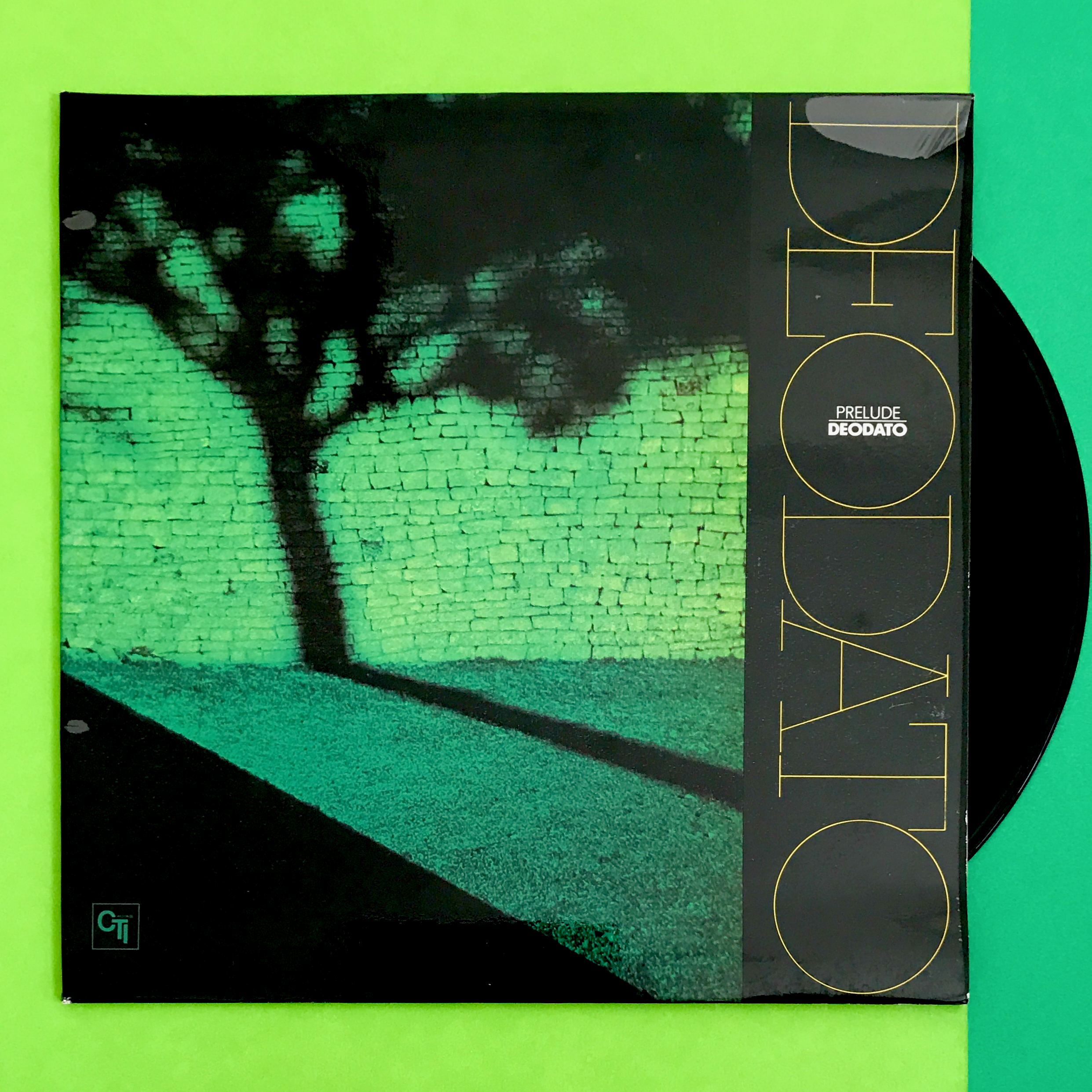
One Autumn, Winter and Spring later, with High School ticked off the ‘to do’ list, I found work at Max Rose Electronics and finally heard the album “Also Sprach Zarathustra” appeared on. I loved it; jazz with funk and rock touches, often accompanied by orchestral arrangements that supported rather than overwhelming the melodies. Just holding the album made me feel sophisticated. Eumir Deodato, I learned, had been an arranger-for-hire until offered the chance to record for Creed Taylor’s CTI label. This was his US debut LP and it became Deodato’s and CTI’s biggest hit. It was, for that matter, composer Richard Strauss’s biggest hit as well, the 1896 tone poem being inspired by the book of the same name by philosopher Friedrich Nietzsche. So much embedded culture in one 12″ record! So many things I knew nothing about! But the music made me smile.
The idea of interpreting ‘classical’ pieces in other musical genres was not new, of course. The Nice—through the keyboard wizardry of Keith Emerson—had been ‘borrowing’ tunes from the Western Art music canon for years. But this cosmopolitan style, that some were unkind enough to call elevator jazz, was something else. And the playing was indeed superb. How can you go wrong with a rhythm section built on the foundation of Billy Cobham’s drums and the bass of Ron Carter? Throw in tasty guitar breaks from John Tropea and Jay Berliner plus flute interludes from Hubert Laws and you have a class outfit.
After the dramatic opening of “2001”, Deodato’s “Spirit Of Summer” soothes things down. We then stray into bossa nova territory with another Deodato original “Carly & Carole” (presumably an homage to Mss Simon and King). A little ‘lounge’, certainly, but it’s done with such panache and verve that you just tap your toes and sip your vodka and lime. Same with side two opener “Baubles, Bangles And Beads”, a Broadway show tune lifted immeasurably by John Tropea’s excellent guitar solos.
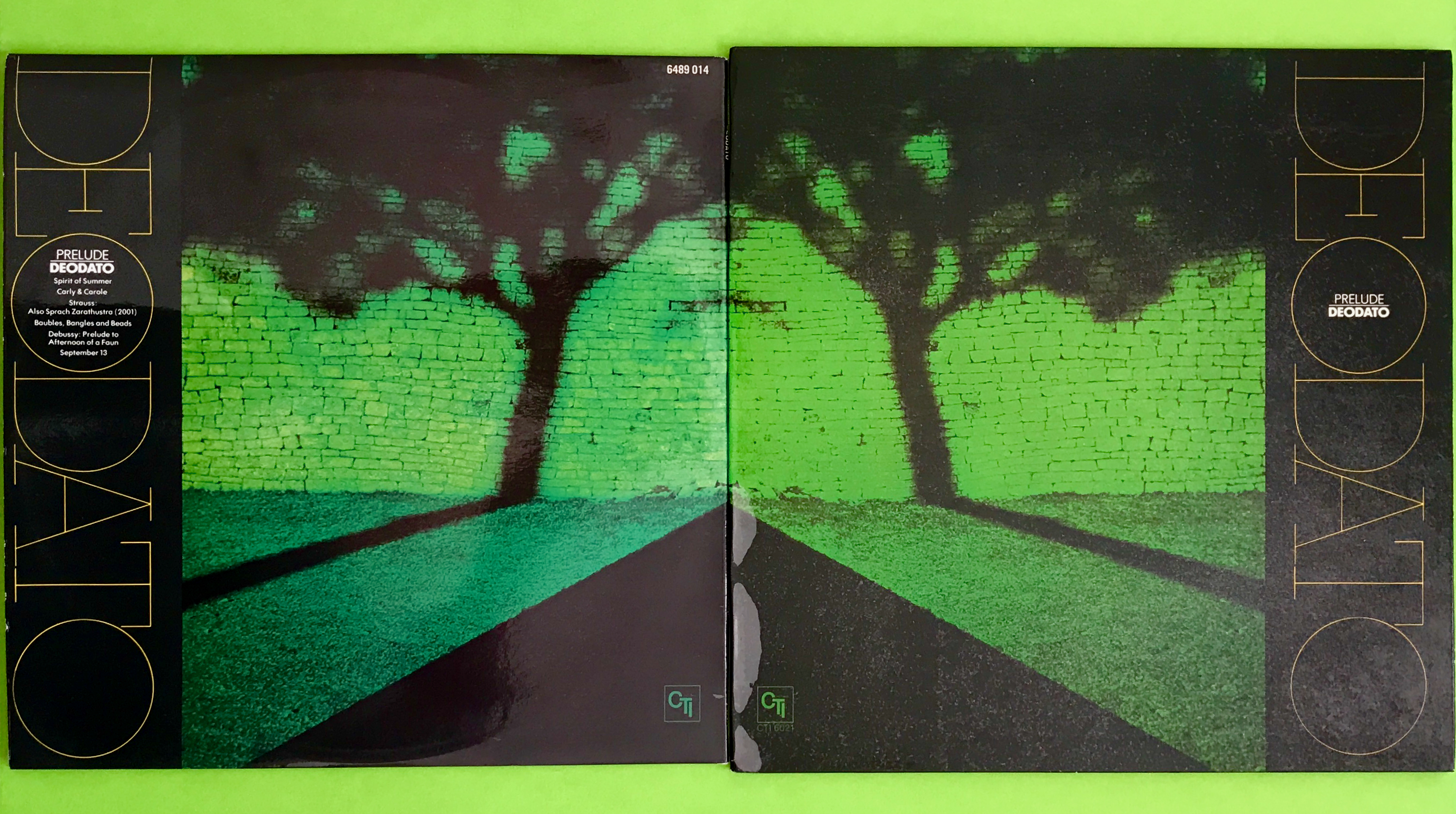
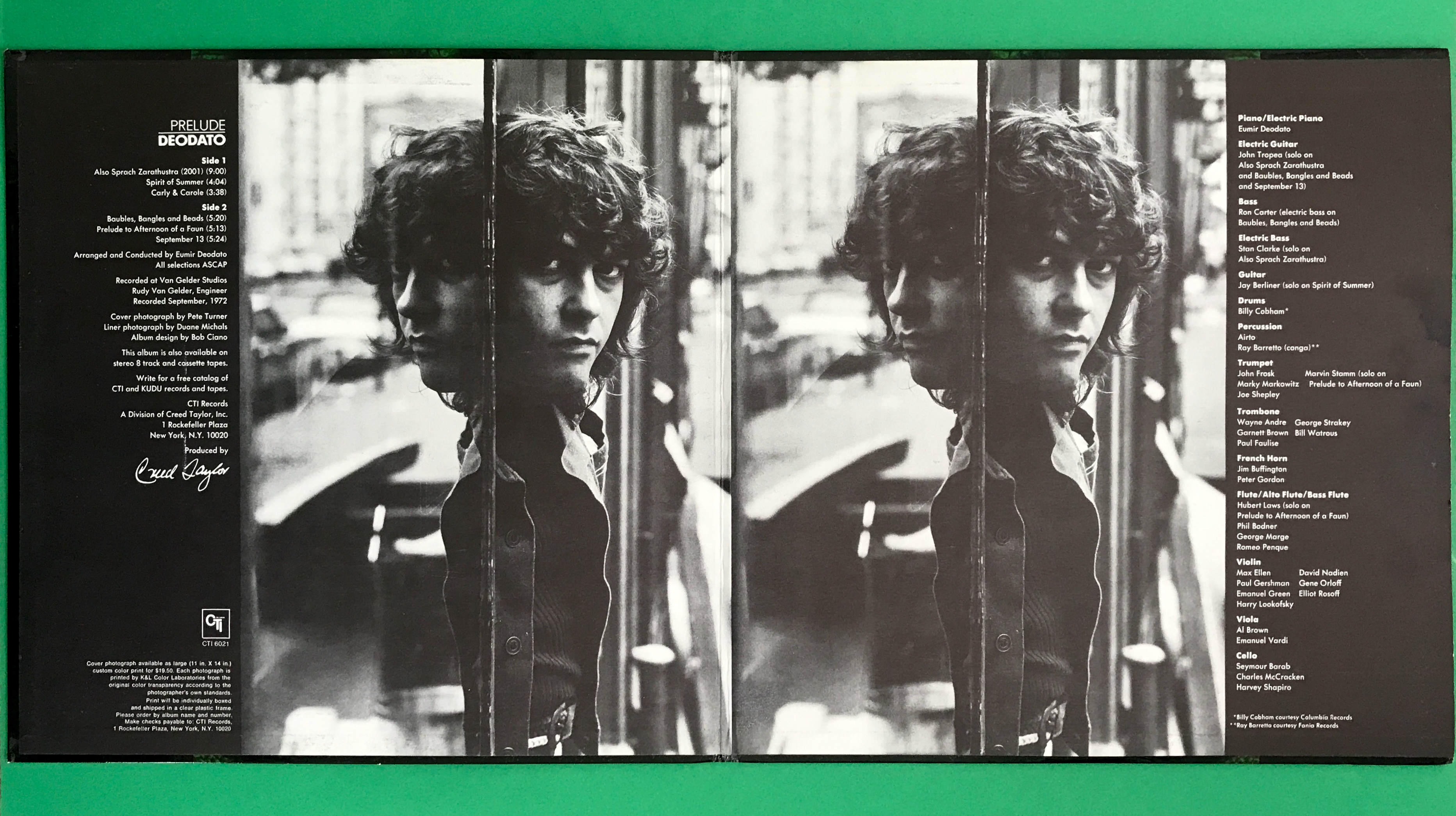
The limpid arrangement of Debussy’s “Prelude To The Afternoon Of A Faun” (Hubert Laws on flute, Marvin Stamm on trumpet) kicks into funk-jazz mode after two minutes, after which Prelude closes with a Deodato/Cobham co-write, “September 13”. As well as the jazz-rock drummer and guitarist Tropea, percussionist Airto also shines on this funky track, grooving its ass off and leaving us smiling as Prelude fades.
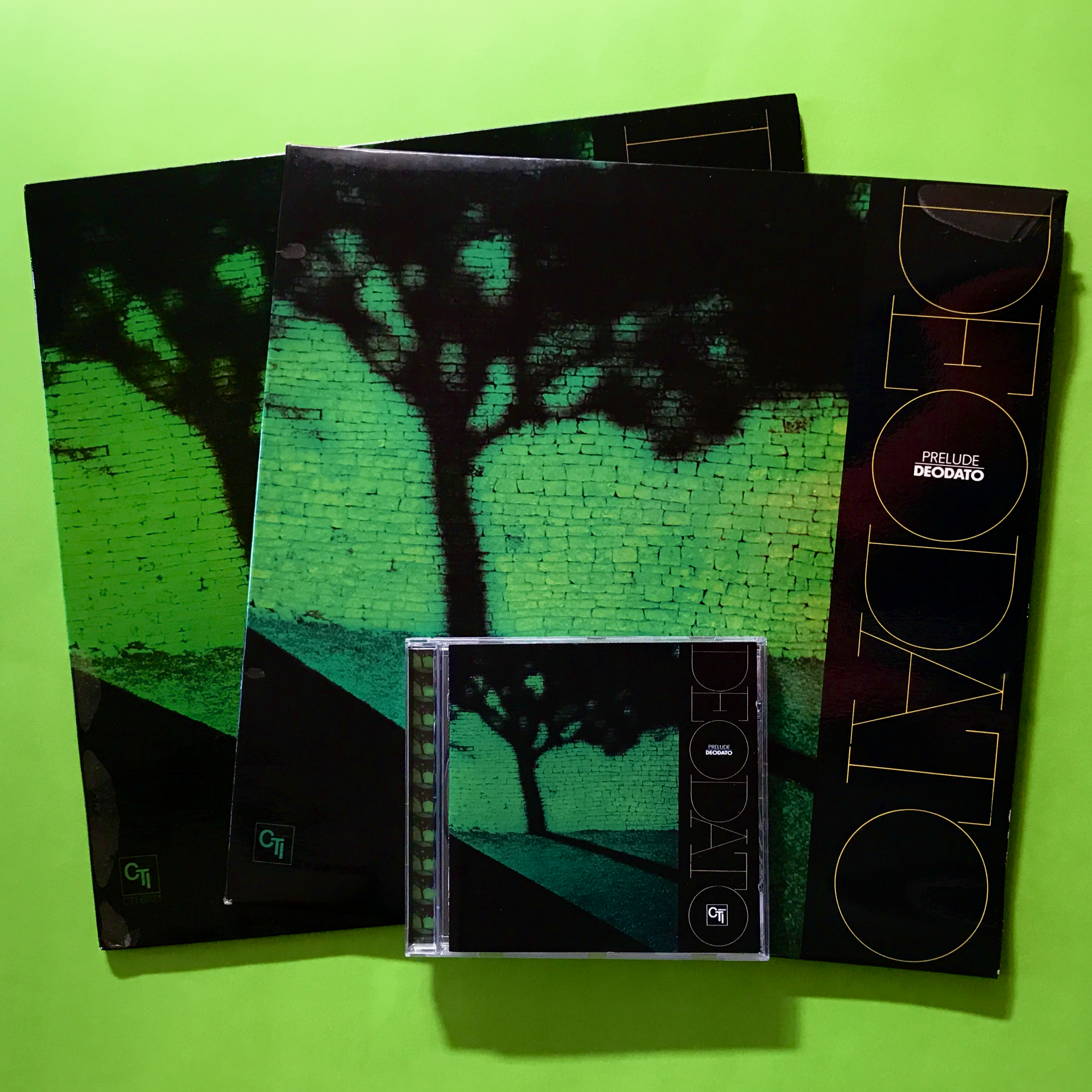
Deodato’s “Also Sprach Zarathustra” was a 1973 hit around the world and won a Grammy for Best Pop Instrumental Performance that year. It took the dramatic Richard Strauss composition from its imposing place in the opening of Stanley Kubrick’s legendary film and offered it to an audience whose enthusiastic response immortalised it in a different way. It also introduced a clueless high school graduate and soon-to-be university dropout to a whole new world of music and album cover art. Prelude played no small role in seeding a lifetime of record collecting.


 vinylconnection.com.au
Maybe I only ever heard this played on a student’s budget stereo with ‘wide range speakers’ and thus found the beat too emphatic for my taste. Anyway, I never got hooked.
But your praise for Prelude got me motivated to listen again after what might be a fifty year break.
The rhythm section sounds supple through a bargain hunter’s modern sound system and there’s definitely some subtlety and sophistication in the music that I’d previously overlooked.
Thank you, Bruce,
DD
LikeLiked by 1 person
Super, DD. Thank you for both giving it another go, and also sharing the experience! You can never really bring clean ears to important LPs in your own story, so I do value your report. I imagine Ron Carter has many many times on your system, and perhaps Billy C too!
LikeLiked by 1 person
These lads are habitués of the sunroom.
LikeLiked by 1 person
Awesome track. Have you seen the Peter Sellers movie ‘Being There’? It’s used in a great way in that.
LikeLiked by 1 person
Oo. Many years ago, Matt. Can’t recall the piece but it was a l o n g time ago. Cool factoid, though!
LikeLike