
It is not entirely clear whether 1975 was an exceptional year for jazz or whether Vinyl Connection was simply more into the form at this time. Either way, it was quite a struggle to reduce the contenders to twenty.
Those who are unmoved by America’s gift to music may still find things to enjoy in the album art, as the Top 20 contains a generous proportion of recordings on ECM, the legendary jazz European label.
*
#20
GARY BURTON / RALPH TOWNER — MATCHBOOK [ECM]

An understated, quietly conversational duet album where guitar and vibraphone explore space rather than filling it. Towner’s guitars provide crisp, harmonically rich frameworks; Burton answers with cool, bell-like lines that glide rather than attack. The music is chamber-like, almost translucent, with melodies that emerge gently and dissolve just as softly. Matchbook is intimate and impressionistic, a pond of luminous water lilies.
*
#19
BILL EVANS — MONTREUX III [Fantasy]
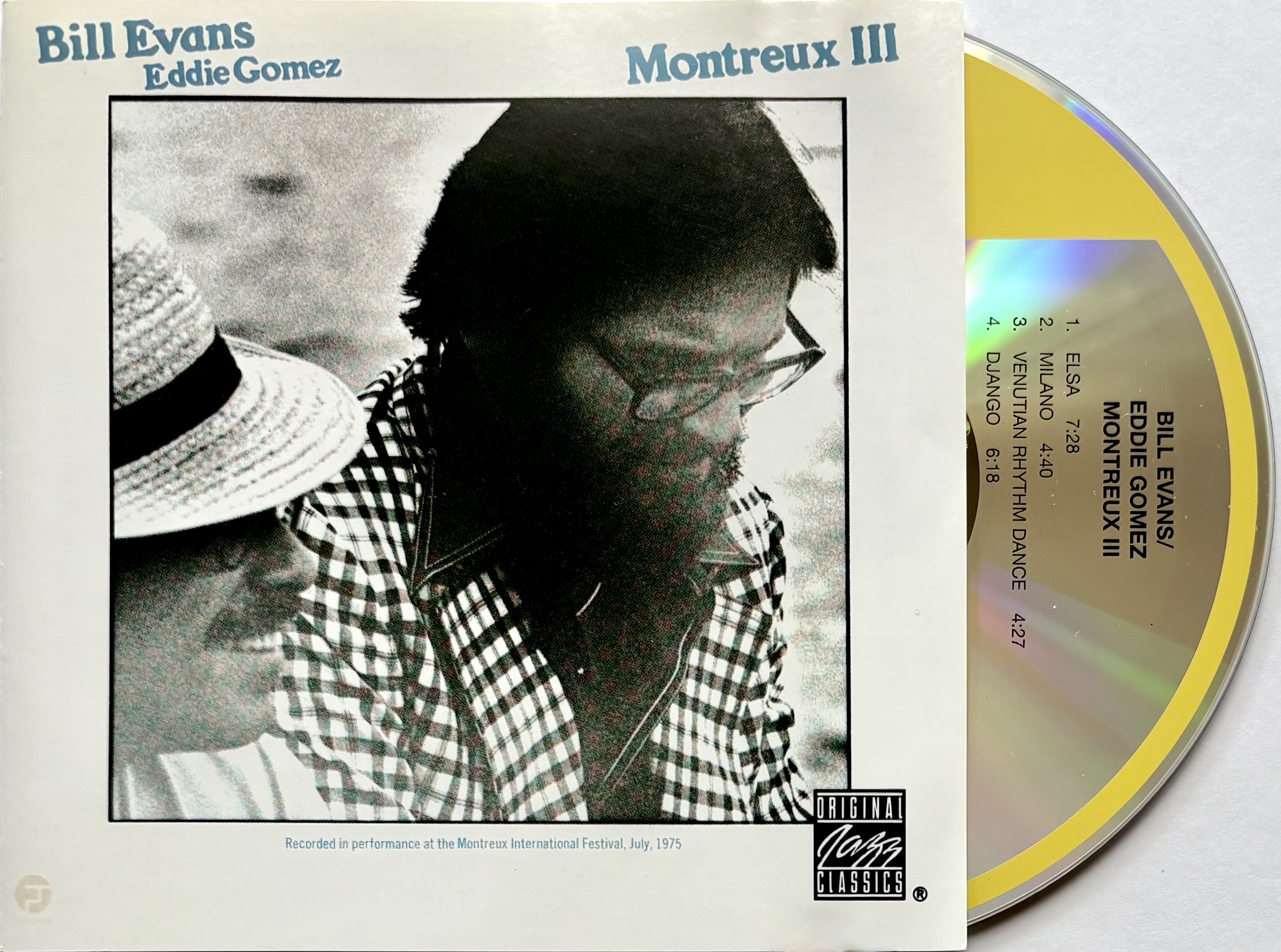
This recording has Evans in a mellow, spacious mood: his touch is delicate, the phrasing elastic, and the harmonic shifts subtle. Eddie Gómez’s bass is agile and conversational, often shadowing Evans closely. Although there are no Evans originals, there are no worn out choices either. Everything is approached with romantic overtones and quiet intensity rather than fireworks in this thoughtful, quietly absorbing document of mid-70s Bill Evans.
*
#18
MILES DAVIS — PANGAEA [CBS]
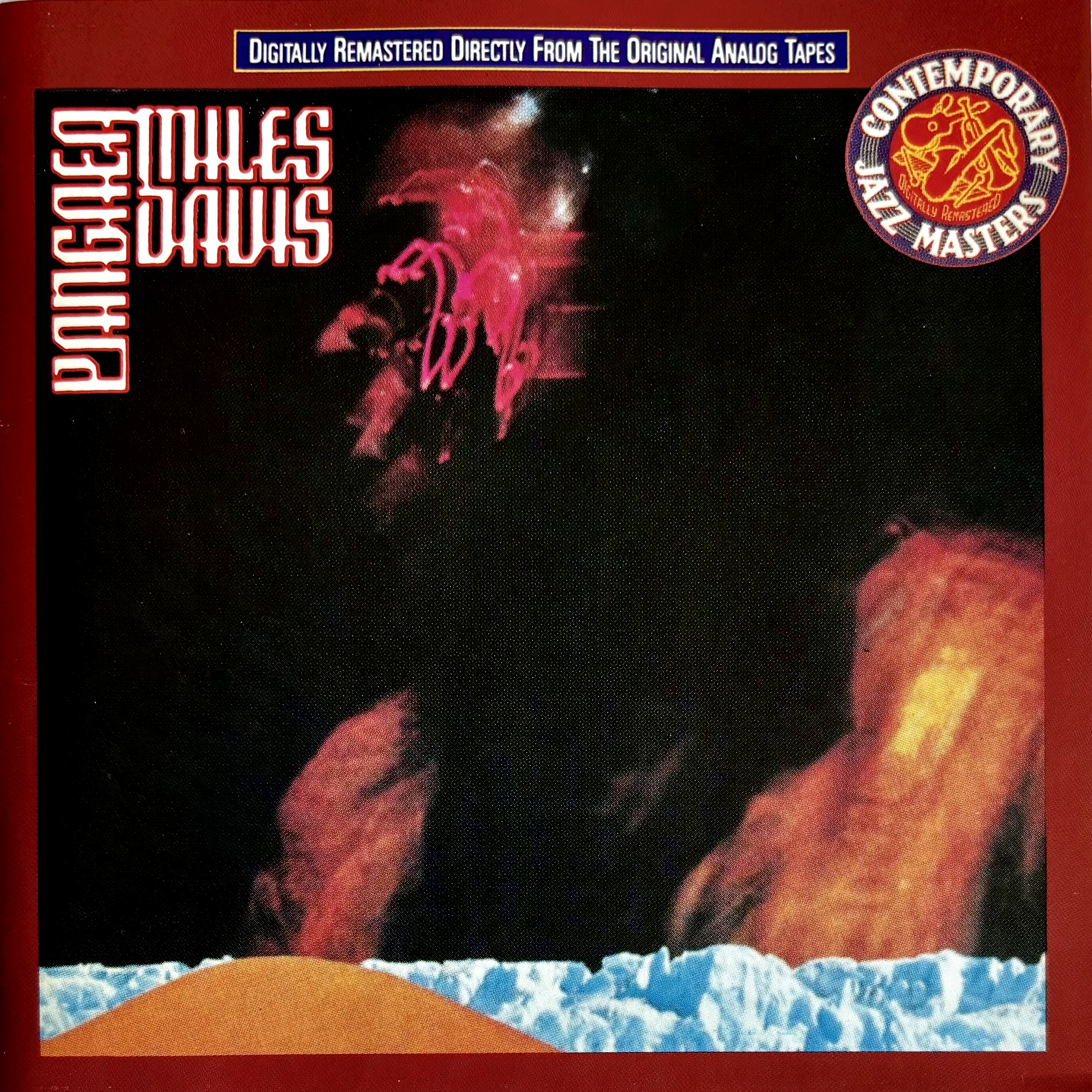
Pangaea documents the final night of Miles’ electric-period Japan concerts—a dense, eruptive double album where funk, noise, and free improvisation collide. The band drives: Pete Cosey and Reggie Lucas unleash thick, distorted guitar squalls; Michael Henderson’s bass holds a hypnotic core; Al Foster and Mtume generate rhythmic turbulence. Yet there are tranquil moments too; Sonny Fortune’s flute does that virginal thing flutes do while Miles offers watercolour wisps from the shadows. Compared with Agharta, recorded earlier the same day, Pangaea is darker, heavier, more fatigued perhaps; a snapshot of Miles pushing fusion to its—or his—breaking point. After this he took a five year sabbatical.
*
#17
GARY BURTON / STEVE SWALLOW — HOTEL HELLO [ECM]
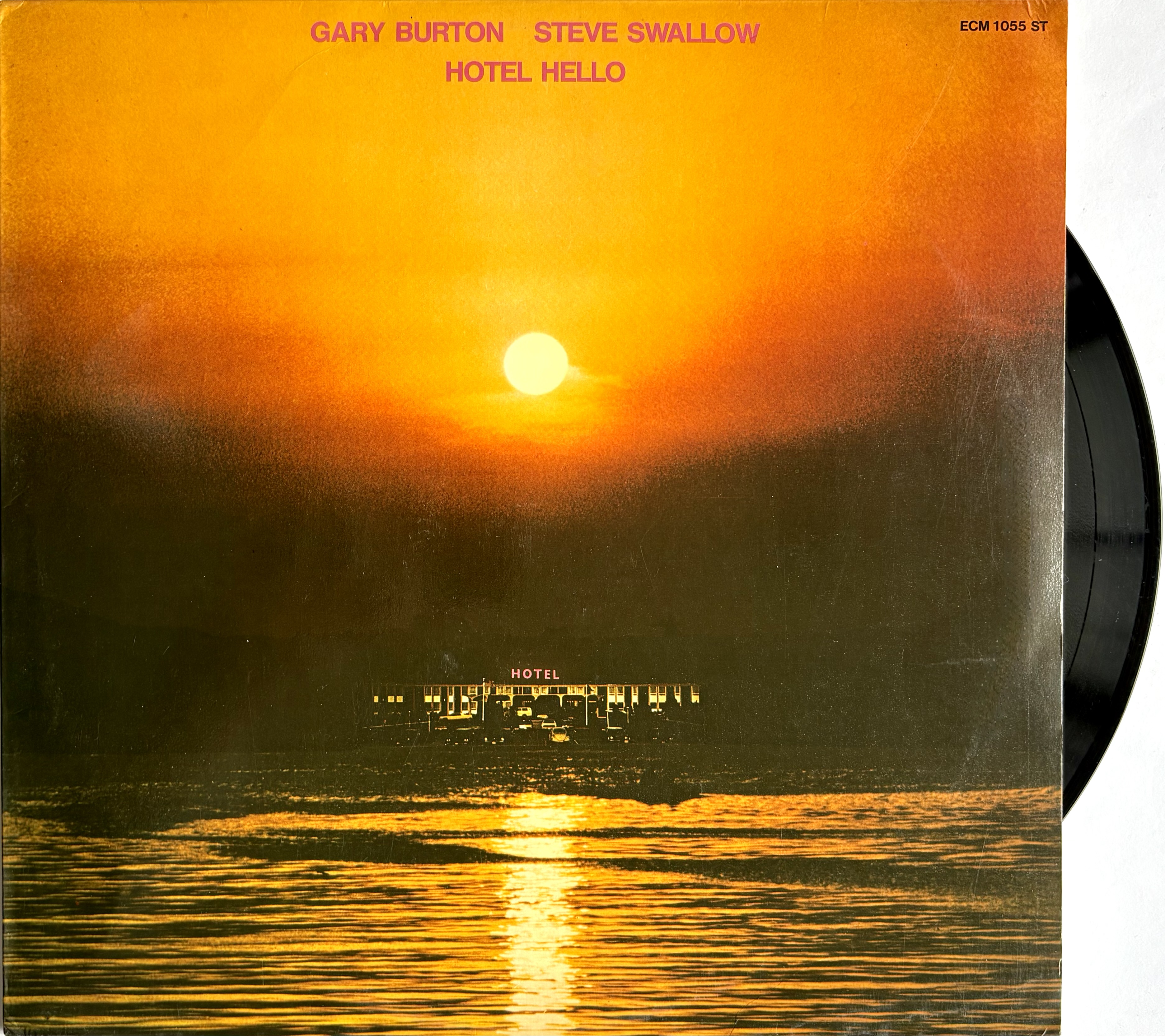
A minimalist, gently off-centre duet album that leans into texture, colour and odd angles rather than conventional jazz motion. Burton’s vibraphone is cool and glassy, shaping melodies with careful, almost conversational pacing. Swallow’s electric bass—soft-edged, lyrical, instantly recognisable—acts as both anchor and second voice, often carrying the thematic weight. The tunes (five composed by Swallow) are understated, slightly whimsical, and full of open space; the mood hovers between chamber music and elvish jazz.
*
#16
HERBIE HANCOCK — MANCHILD [CBS]
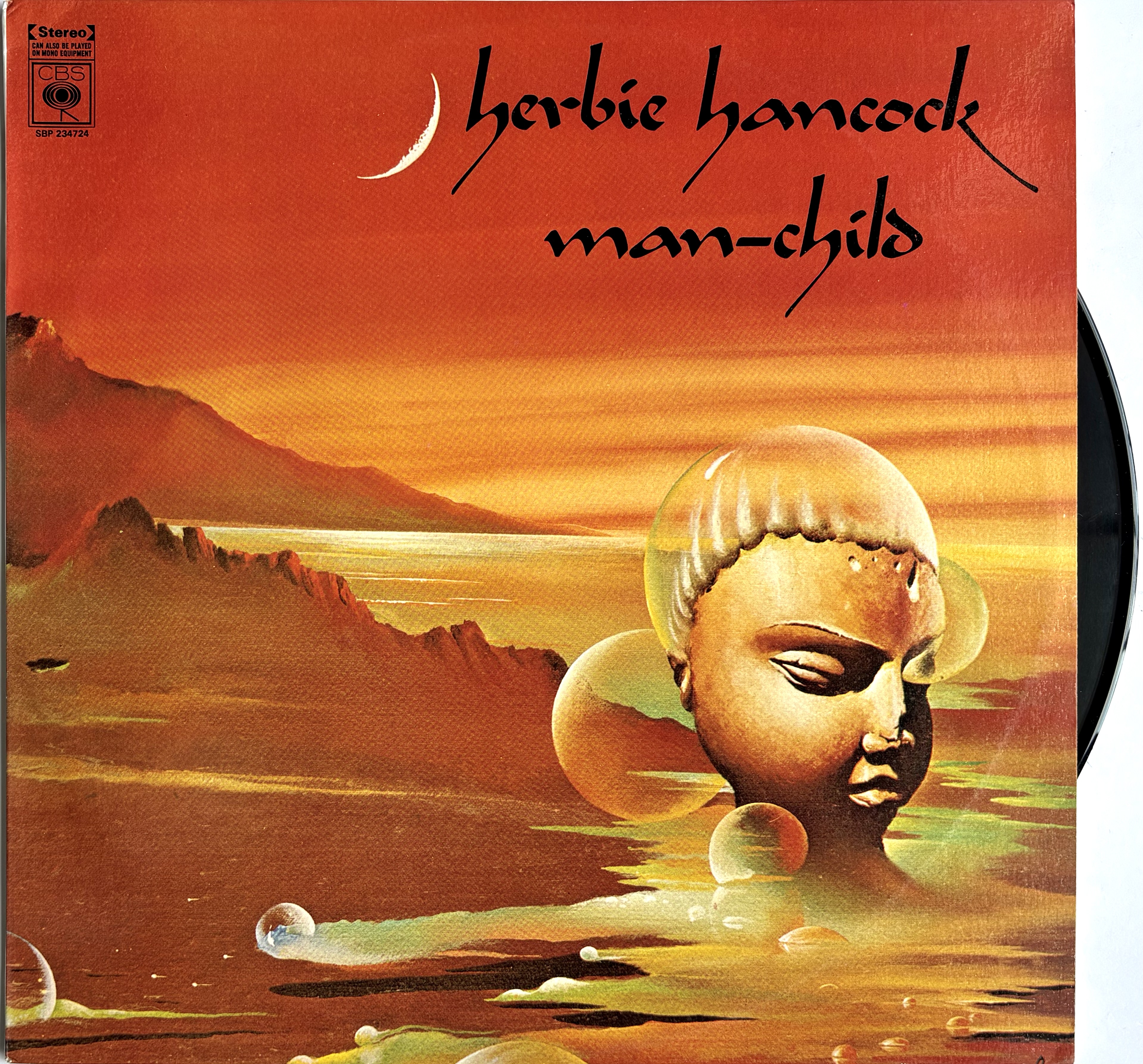
This third in Herbie Hancock’s series of mid-70s jazz-funk albums has extra edge courtesy of the guitar work of Wah Wah Watson and extra punch thanks to the sharp horn charts. Hancock layers Clavinet, ARP synths and Fender Rhodes into shimmering webs that feel both dirty and polished. Compared with the rawer drive of Thrust, this album is cooler, more deliberate… but always funky.
*
#15
MARC MOULIN — SAM’ SUFFY [CBS / MoV]
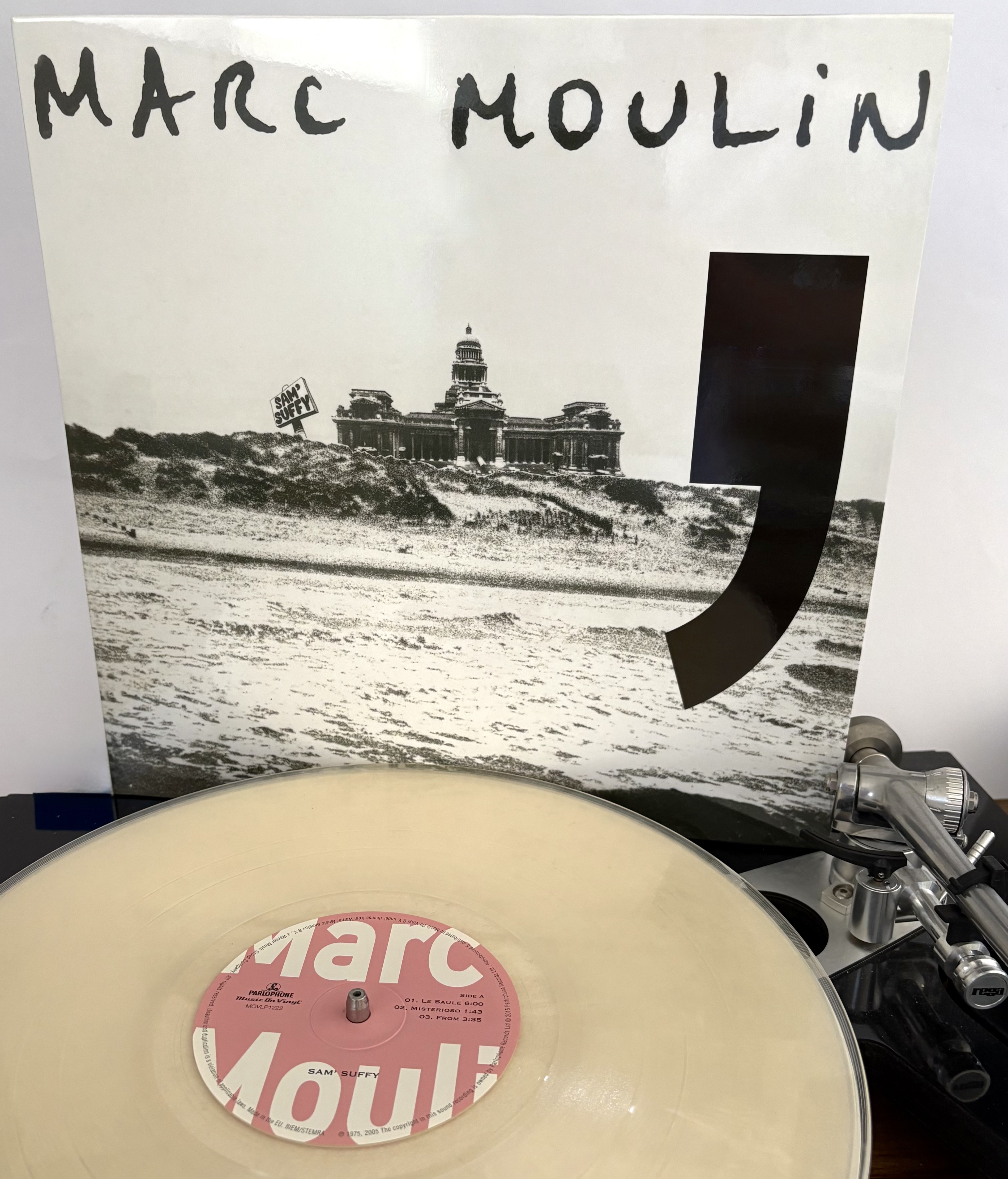
Belgian keyboardist and bandleader Marc Moulin was a key figure in European jazz-funk, first through the trio Placebo and later via electronic project Telex (remember “Twist A San Tropez”?). Sam’ Suffy, his second solo album, distils his sound into a cool, uncluttered blend of Rhodes-driven jazz, supple funk rhythms and sly harmonic detours. The grooves are light but tasty, shaped by Moulin’s crisp touch and a studio sound that favours space over density. More about poise than fire, this is a sleek, quietly seductive record that is cool as hell.
*
#14
LARRY CORYELL — THE RESTFUL MIND [Vanguard]

Stepping out of the fusion spotlight he’d helped ignite, here Coryell offers a stylistic shift: quieter, acoustic, and rooted in folk-jazz textures. Working mainly with the Brubeck brothers and Ralph Towner, Coryell explores open, pastoral spaces where interplay matters more than virtuoso fireworks. The blend of classical guitar phrasing, folk clarity and jazz improvisation marks it as one of Coryell’s most distinctive 70s statements, and a reminder of his versatility.
*
#13
LONNIE LISTON SMITH — EXPANSIONS [Flying Dutchman / RCA]
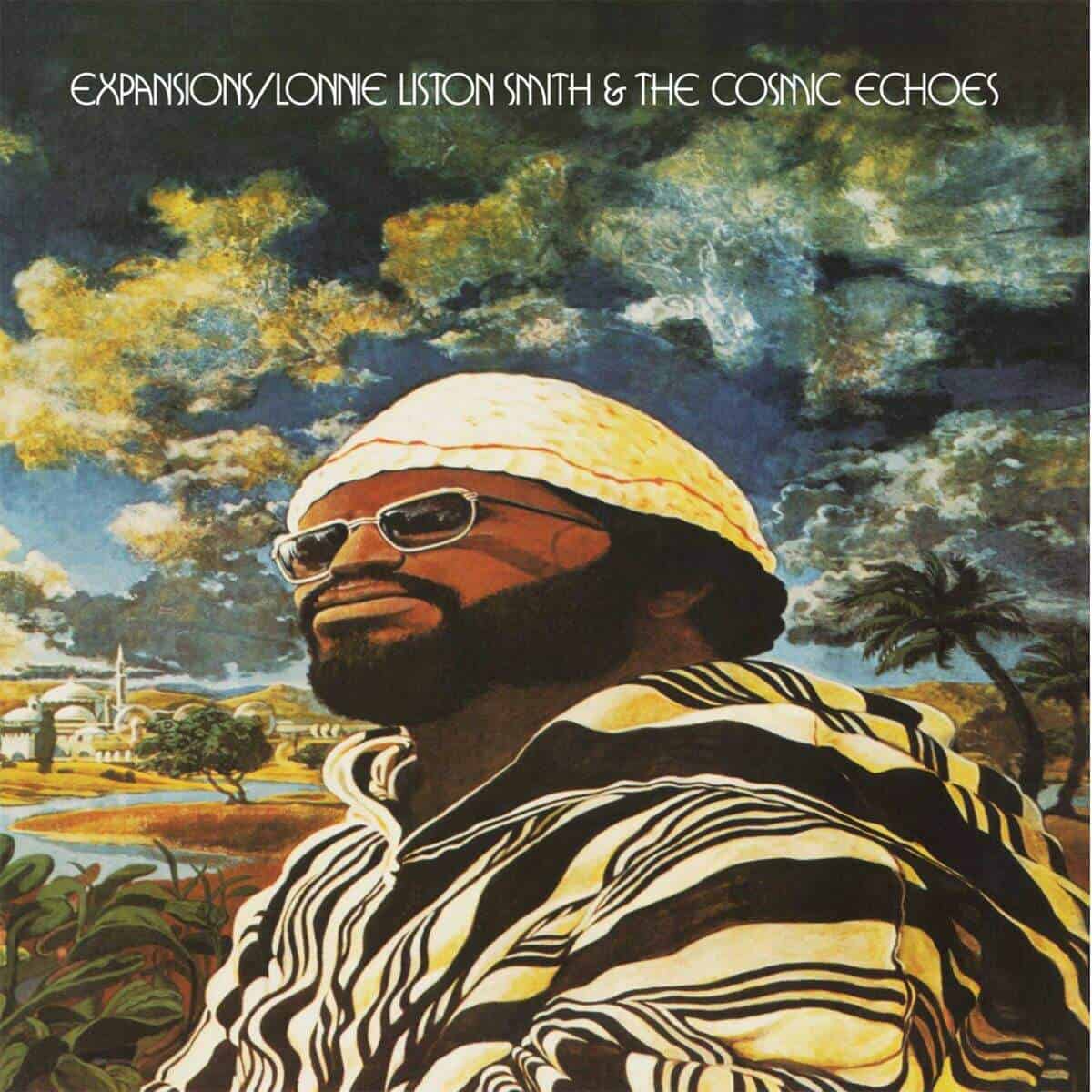
It has been described as a defining statement of cosmic jazz-funk—philosophical, danceable, and spiritually charged. That’s high praise, but not entirely over the top. Smith’s Fender Rhodes and cosmic synthesizers float over tight grooves creating a sound both meditative and propulsive. Vocalist Donald Smith delivers high quality soul, making the album quite varied and accessible. Compared with some of the heavier fusion of the period, Expansions offers warmth, light, and an optimistic vision.
*
#12
JACKIE ORSZACZKY — BERAMIADA [Real]
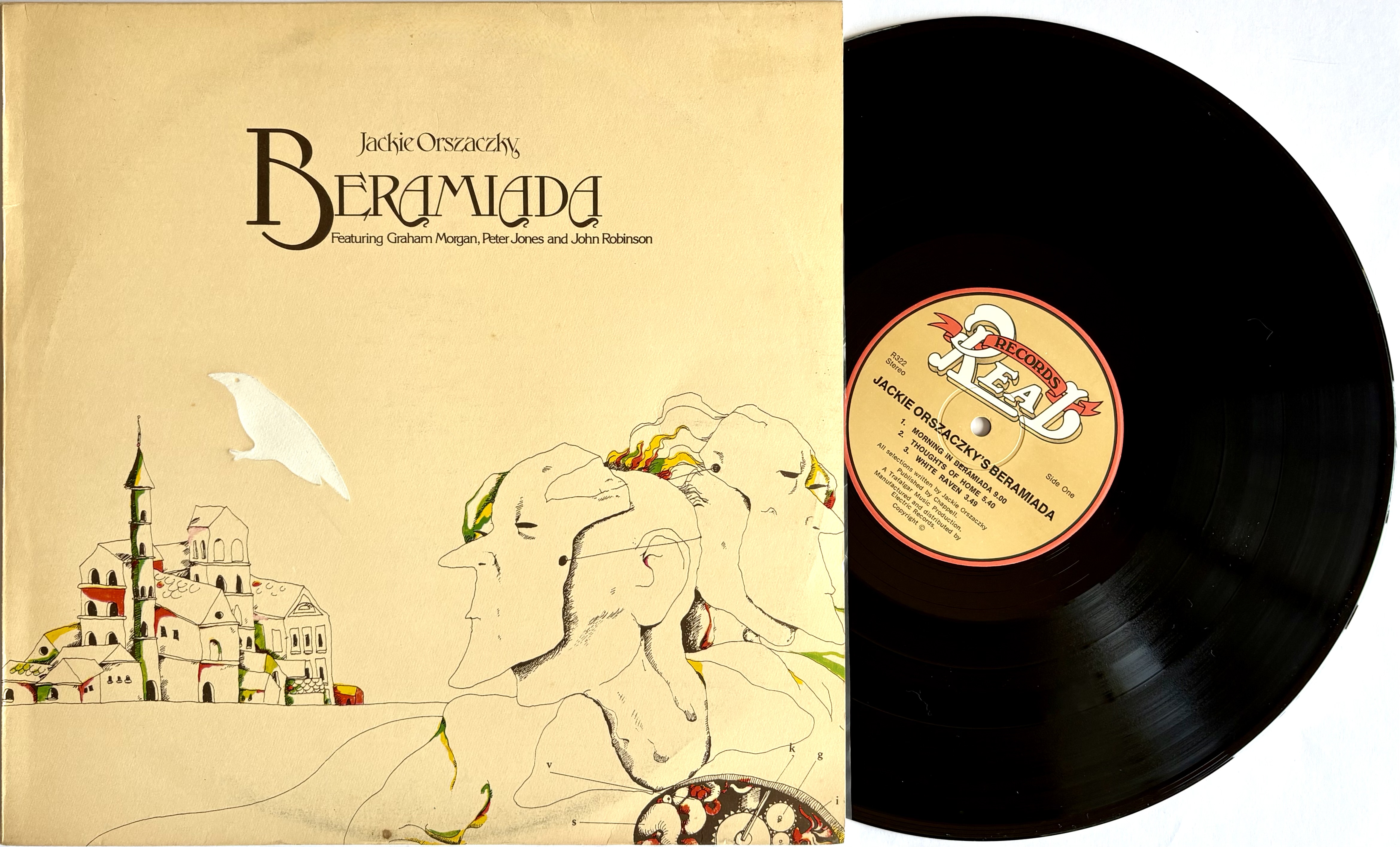
Beramiada is a delightful and little known album, blending progressive jazz-rock with light funk leanings. Joining bass player/composer Orszaczky are John Robinson (guitar), Peter Jones (electric piano; ex-MacKenzie Theory) and Graham Morgan (drums; ex-John Dankworth Quartet). The music invites comparison to Gilgamesh and George Duke’s prog-fusion with its rhythmic drive, complex arrangements and compositional ambition. With strong melodies and fine playing—especially from Jones on keyboards—this is an Australian LP that deserves its cult status among jazz-rock aficionados.
*
#11
LARRY CORYELL — LEVEL ONE [Arista]

A bold, high-energy fusion statement that stands in stark contrast to the subtler acoustic work of The Restful Mind (#14). With electric guitar at the forefront, Coryell drives through layered funk-rock grooves, jazz improvisation, and occasional psychedelic textures. The band—tight, responsive, and often explosive—matches his intensity, creating dense, propulsive pieces. Compared with contemporaneous fusion releases, Level One is at the more rock-infused end of the spectrum yet Coryell’s harmonic sophistication keeps it grounded in jazz.
*


 vinylconnection.com.au
Pangaea was a step too far for me, but maybe my taste has changed since my last over exposure.
It feels like spacious rather than spacy jazz came into its own in ’75.
I wasn’t aware of Moulin or Beramiada. It looks like that over sight needs a remedy.
What a collection.
Thanks Bruce,
DD
LikeLiked by 2 people
Just received the Aztec Music CD re-issue of Beramiada today. It’s pretty darn good. A bit more jazz-rock than Crossfire, but the Weather Report connection is valid too.
I couldn’t quite make the time to re-listen to Agharta (the afternoon show in Tokyo) then Pangea back-to-back. This may have been a let off in some regards. 😉
LikeLiked by 1 person
Ahh, Bill Evans. I discovered him, like so many, via Kind of Blue, and everything he did has class.
LikeLiked by 2 people
Sure does, Pete. After Miles, Evans is the biggest shelf-occupier in my jazz collection. This may not be a five star album, but the piano-bass duo leaves generous space for Bill’s delicate touch.
LikeLiked by 1 person
So much to know and discover, like Russian literature right? I’m going to investigate Gary Burton, new name for me.
Right now, unrelated, with the Durutti Column reissue just released today. Some quite different reworkings of familiar tunes. Nice to see Vinny Reilly is still at it after all these years.
LikeLiked by 2 people
Bruce, you just continue to blow my mind with the breadth of your musical insights. Not to mention the fact this series is in addition to your 1975 Countdown Series. How do you find the capacity to listen to all of this music? And remember all of it? Incredible!😀
LikeLiked by 2 people
Well, Christian, I don’t have a life, for starters. LOL.
It’s odd with this particular project. Many are albums I’ve known for many years, and writing a brief intro is relatively straightforward. But as I don’t want to *only* be talking about stuff I’ve known since student days there is a fair bit of time diving into things less well known. And that, of course, is the payoff for me: discovery (/re-discovery). “Beramiada” is an excellent example in this post. Only came across it a year or so ago and really enjoyed multiple spins. Others I don’t even need to play, so engrained are they!
Thanks, as always, for stopping by, C.
LikeLiked by 1 person
Jackie Orszaczky and Beramiada are both new to me. The album went down very well here. So, thanks for bringing it to my attention.
LikeLiked by 1 person
A pleasure. It is a quite recent discovery for me, too.
LikeLike
Ill take all of those . Even the couple I’m not familiar with because I trust you.
LikeLiked by 2 people
You fool! (Cue evil cackle)
LikeLiked by 1 person
Now that was funny.
LikeLiked by 1 person
💙
LikeLike
[…] PART ONE: 1975 JAZZ | #20 — #11 […]
LikeLike
[…] 1975 JAZZ #11—#20 […]
LikeLike
Now playing in my cd player the album Heads by Bob James.
LikeLiked by 1 person