
#30
NEIL YOUNG — ZUMA
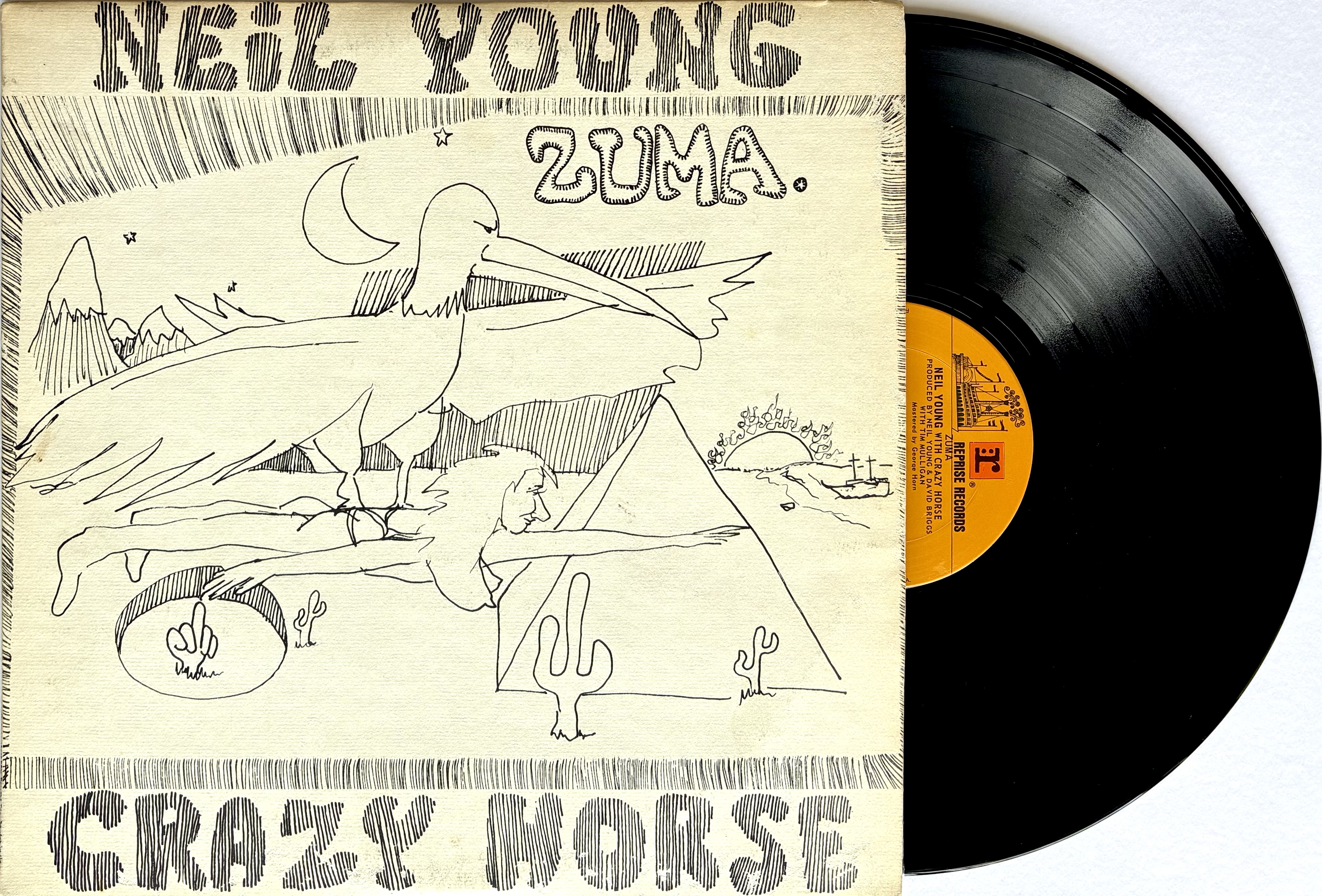
After the grim soul scouring of Tonight’s The Night, Young reformed Crazy Horse with new guitarist Frank “Poncho” Sampedro replacing Danny Whitten. Zuma blends wistful reflection with raw electric power. “Don’t Cry No Tears” and “Barstool Blues” evoke rough-edged tenderness, while “Cortez the Killer” stands among his finest works—a thunderhead dream, mournful and mythic. Crosby, Stills and Nash pop in for the final track.
*
#29
ROBERT WYATT — RUTH IS STRANGER THAN RICHARD
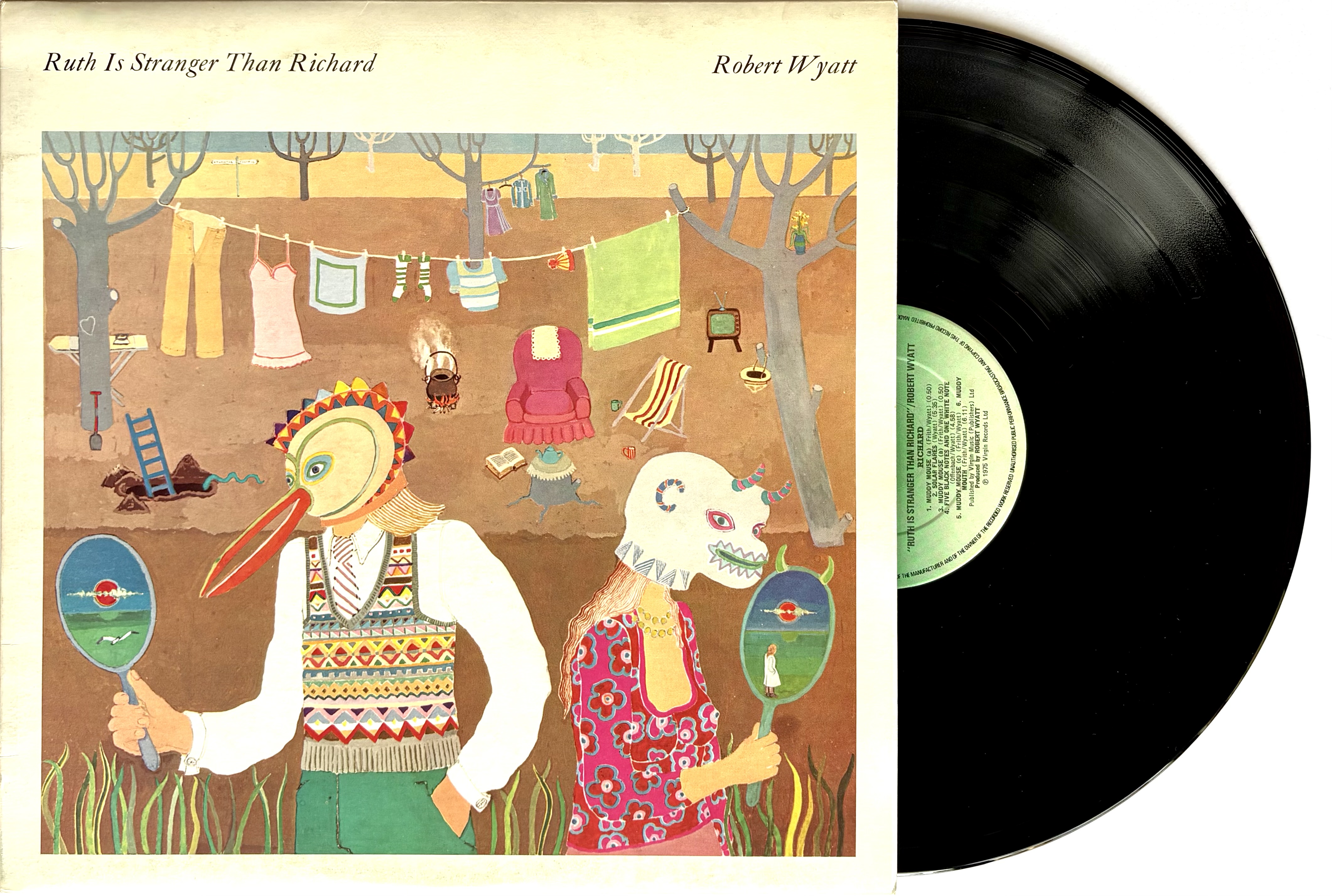
Rather like an eccentric cousin to 1974’s pensive Rock Bottom, Ruth Is Stranger Than Richard is a livelier—or perhaps more unhinged—affair. Split between the jazzy Ruth side and the more avant-garde Richard, it features collaborations with Brian Eno, Fred Frith, and Phil Manzanera. Wyatt’s drumming, keyboards, and elastic vocals guide the music through humour, melancholy, and political observations. Though less cohesive than its predecessor, Ruth Is Stranger Than Richard confirms Wyatt as one of Britain’s most inventive and unique musical voices.
*
#28
CURVED AIR — CURVED AIR LIVE
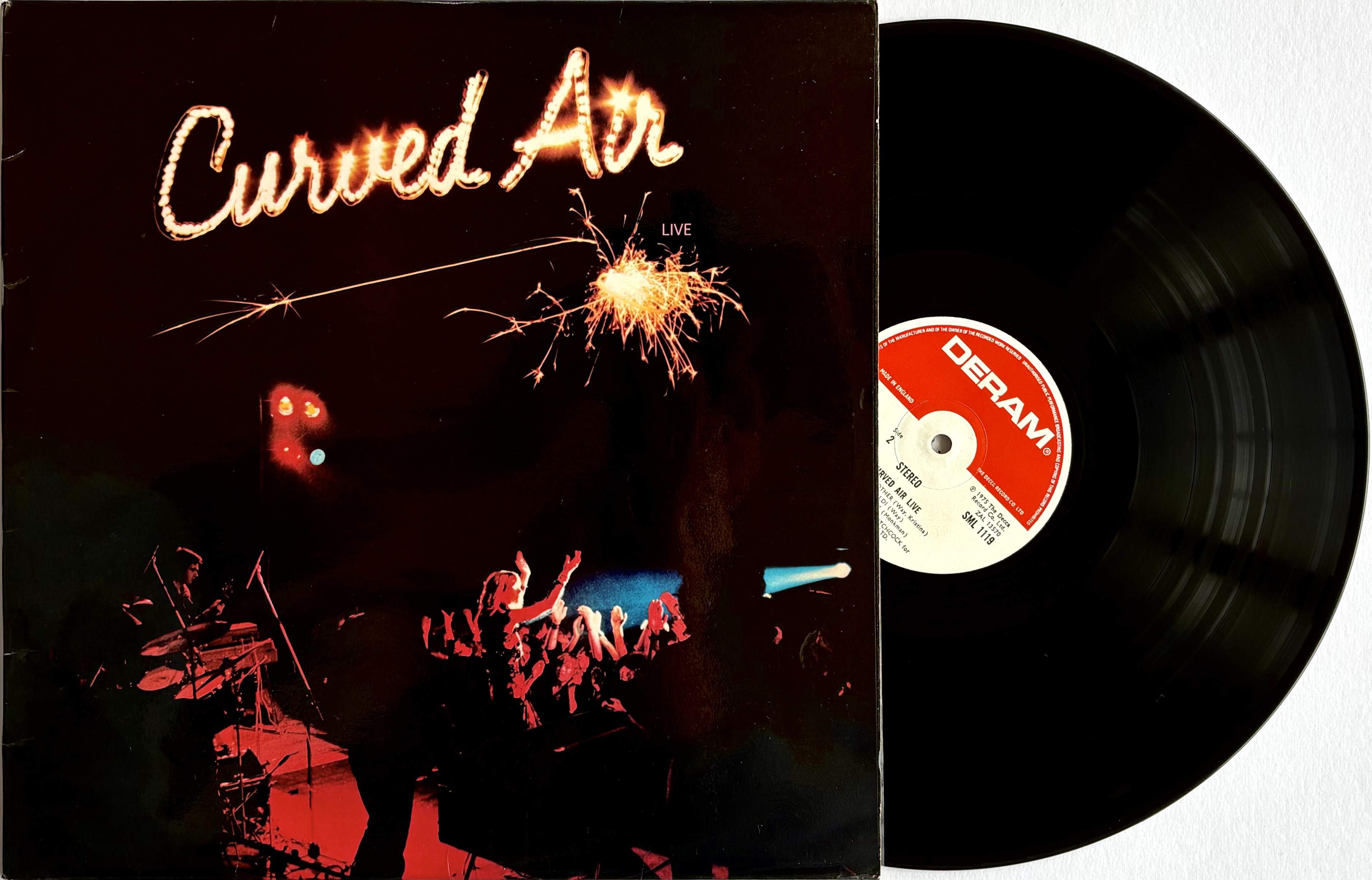
Recorded in late 1974 at Cardiff University and Bristol Polytechnic (UK) Curved Air Live captures the British progressive rock band in full flight. It was a reunion tour following the departure and return of several key members. Striking front-person Sonja Kristina’s commanding (if ravaged) vocals and Darryl Way’s fiery violin dominate performances that blend virtuosity with theatrical flair. Classics like “It happened today” and “Propositions” showcase the group’s classical-rock fusion at its most dynamic, while Francis Monkman’s keyboards add both drive and delicacy. The sound mix is raw but energetic, reflecting the excitement of a band reasserting its identity on stage. A thoroughly enjoyable, warts-and-all live prog album.
*
#27
FRIPP & ENO — EVENING STAR
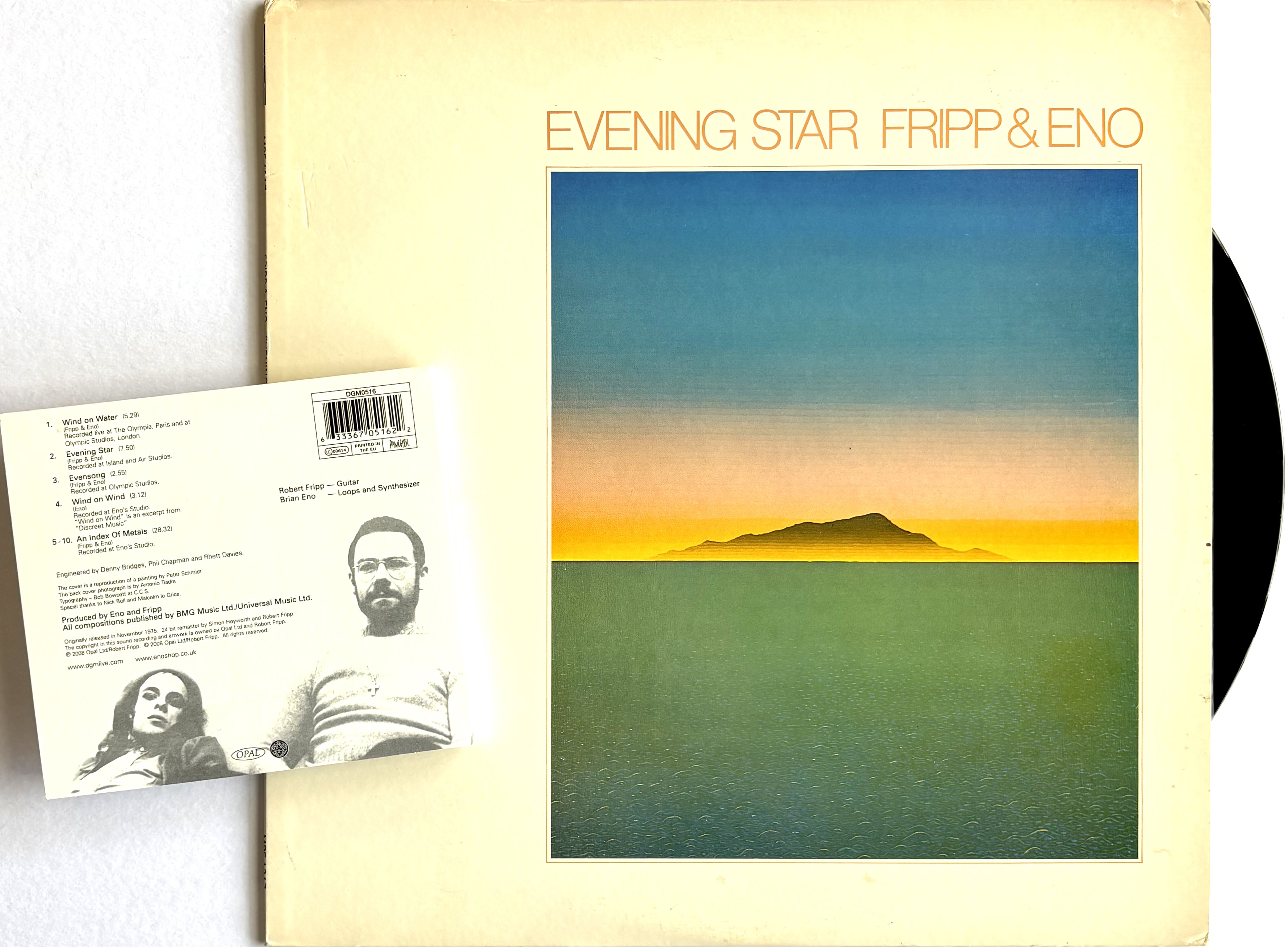
Two years after (No Pussyfooting), guitarist Robert Fripp and sound architect Brian Eno convened again for this serene, other-worldly album. Using Fripp’s sustained, treated guitar tones and Eno’s tape-loop systems, the album creates vast, luminous soundscapes that feel both infinite and intimate. The title track and “Wind on Water” shimmer with meditative calm, while the long closer “An Index of Metals” drifts into darker, more abstract terrain. Clearly a vital step on Eno’s path towards ambient music, Evening Star manages to be deeply introspective and yet as unattainable as the heavens.
*
#26
ASH RA TEMPEL — INVENTIONS FOR ELECTRIC GUITAR (VI)
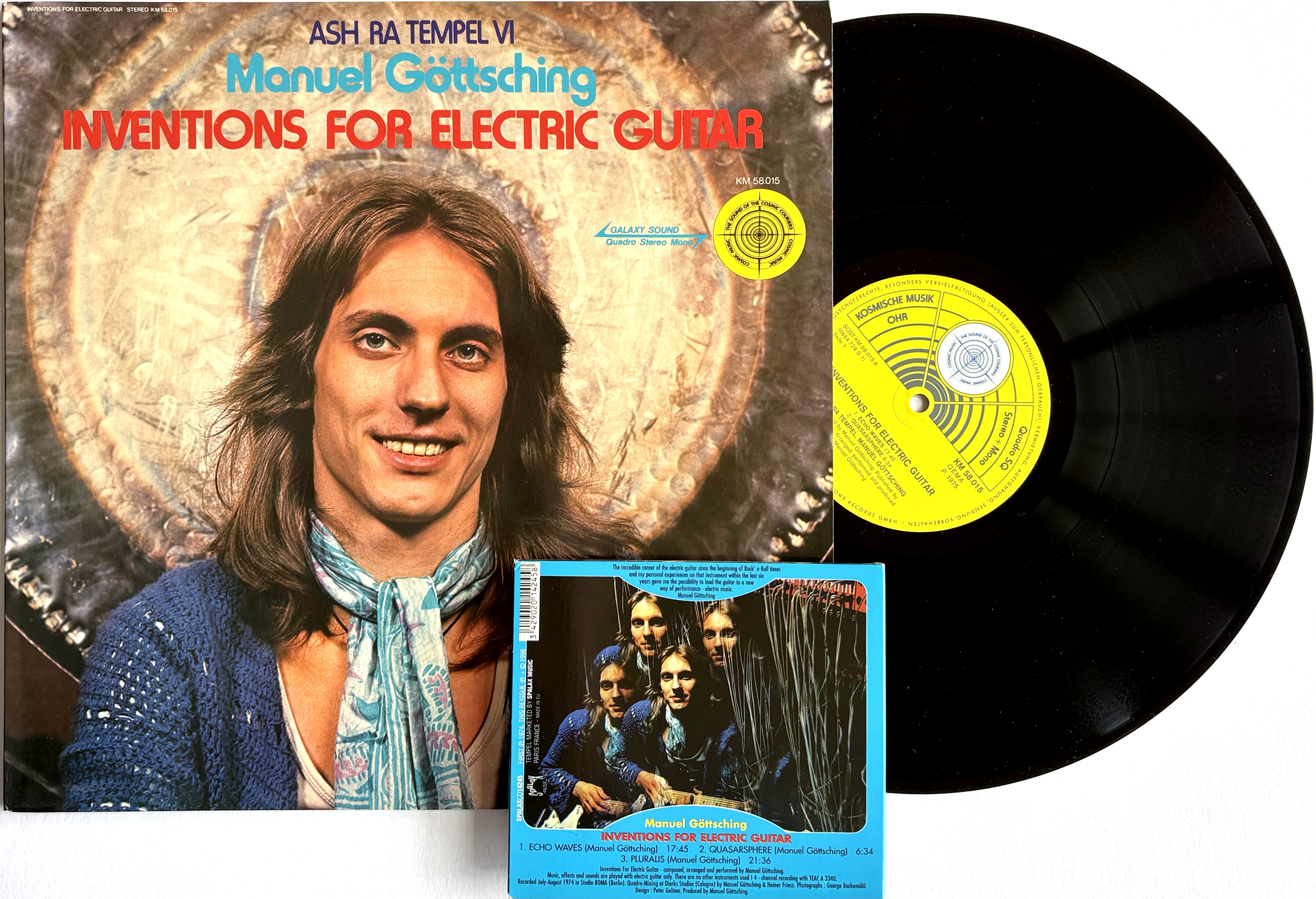
Co-Credited to guitarist Manuel Göttsching and Ash Ra Tempel, the band he founded, Inventions for Electric Guitar is a minimalist masterpiece that bridges krautrock, ambient, and electronic music. Using only overdubbed electric guitars and tape delays, Göttsching constructs shimmering, hypnotic layers of sound that seem to breathe and evolve organically. The three long-form pieces—“Echo Waves,” “Quasarsphere,” and “Pluralis”—build in looping patterns that prefigure both ambient techno and post-rock. There are no solos or riffs, just texture and pulse. The album’s serene precision and forward-looking sound design make it a landmark in electronic-influenced guitar music. Indeed, many seeing it as a foundation album for the entire trance genre.
*
#25
JADE WARRIOR — WAVES
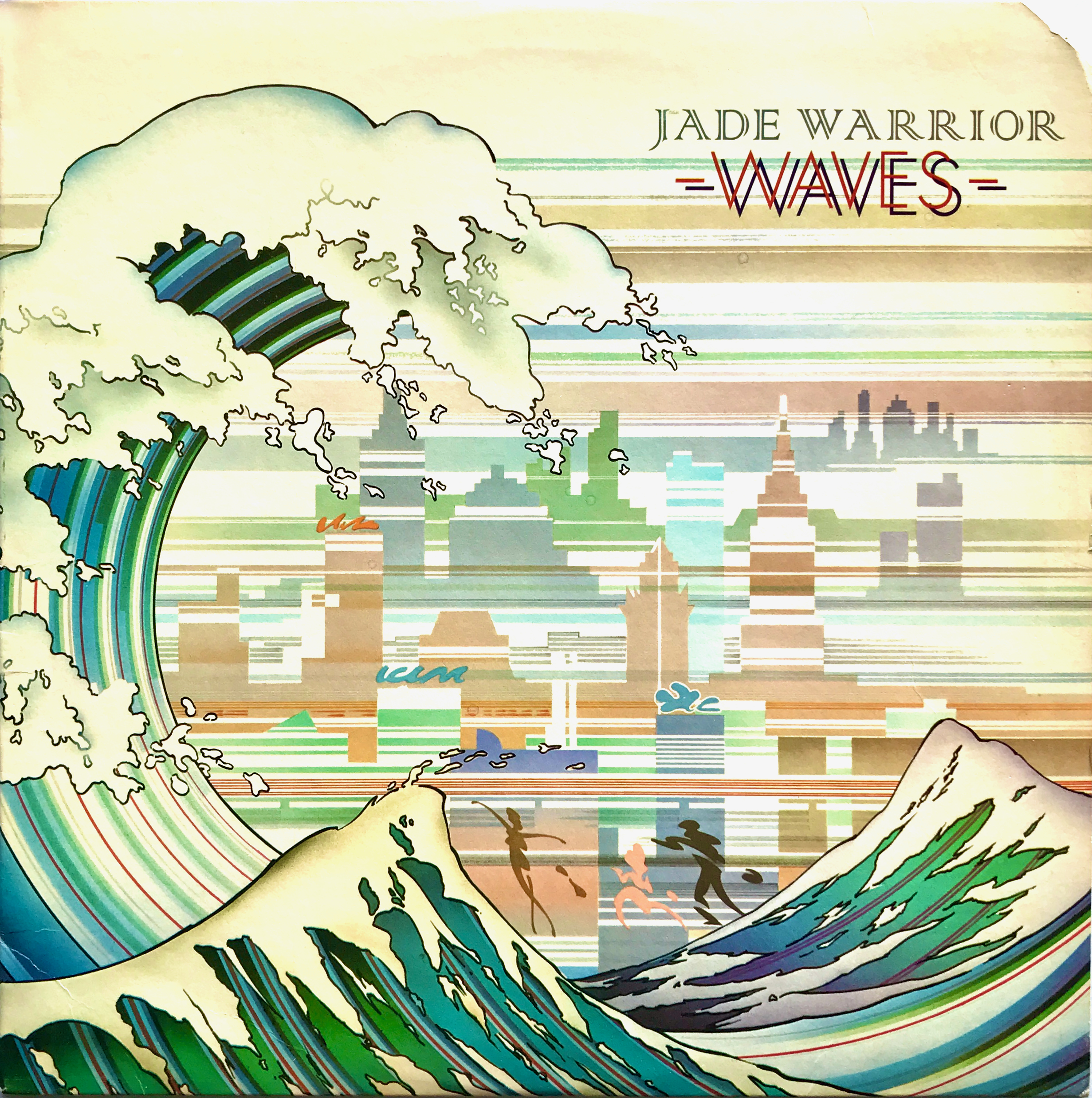
This immersive work wanders pastoral soundscapes, climbs progressive rock outcrops, does a few folk dance steps, and takes tea with world music. Each side is a multi-part instrumental suite, rather like Mike Oldfield’s excellent Hergest Ridge (1974). Steve Winwood joins the Jade Warrior duo of Jon Field and Tony Duhig adding Moog colourings and piano lines, though it is not Winwood who digs in for the surprisingly jagged guitar solo. That part was played by Dave Duhig. Waves is my favourite Jade Warrior album, a varied and sometimes surprising journey through sound, space and the elements.
*
#24
TANGERINE DREAM — RUBYCON / RICOCHET
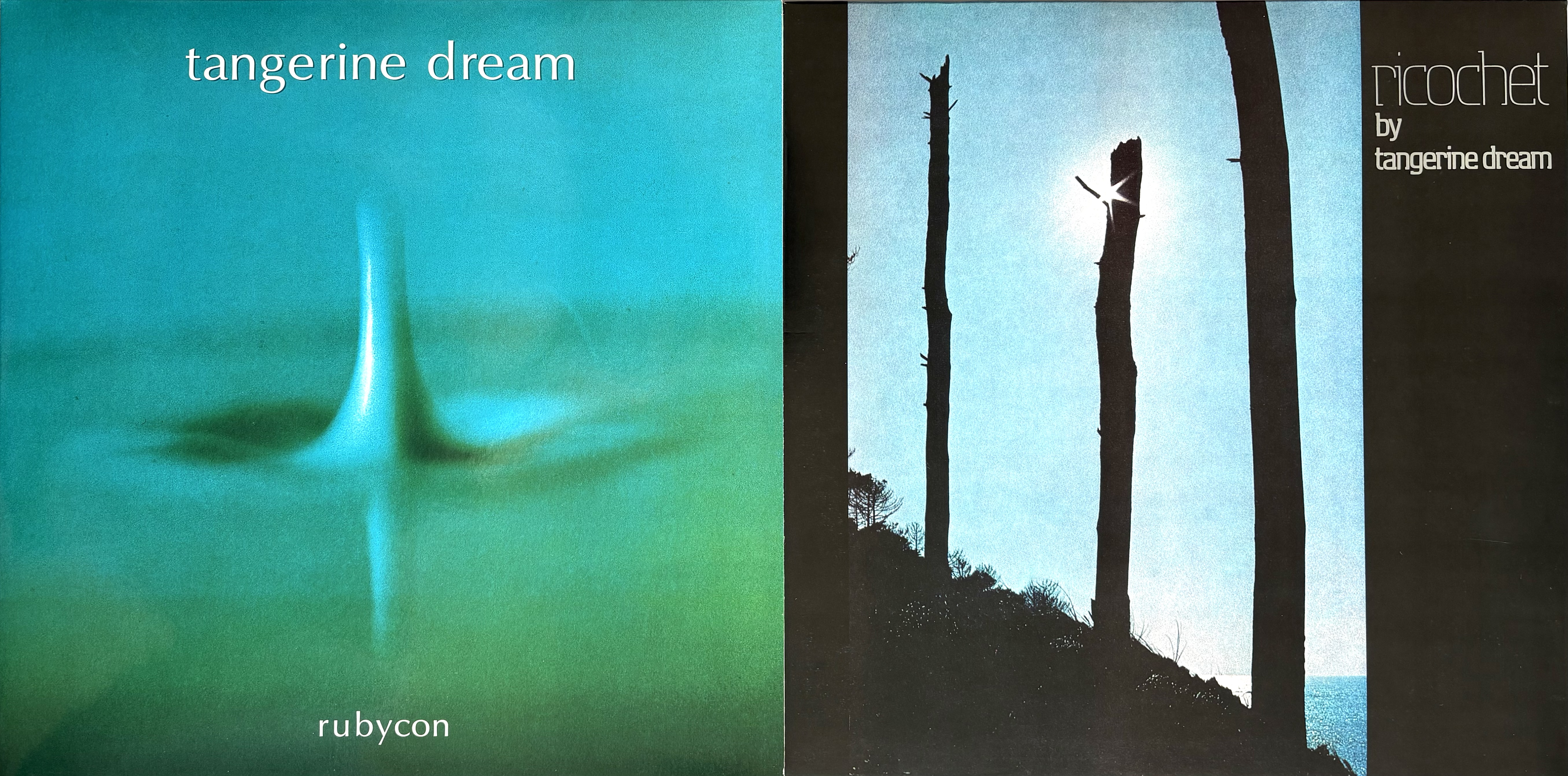
The follow-up to Phaedra is a more structured affair, with the trio’s most accomplished blend of composition and improvisation thus far. An extended two-part electronic odyssey, Rubycon manages to be both cosmic and organic. It is an immersive, mysterious album that can be played endlessly. Later the same year TD toured, releasing Ricochet near the end of ’75. It’s a more driving, immediate affair—just what you want from a live album. Froese’s guitar adds a spark and the sections (from what is essentially a forty minute improvised piece) are punchy and kinetic. Together, these two LPs show Froese, Franke, & Baumann at their best, hence the tie for #24.
*
#23
SEBASTIAN HARDIE — FOUR MOMENTS
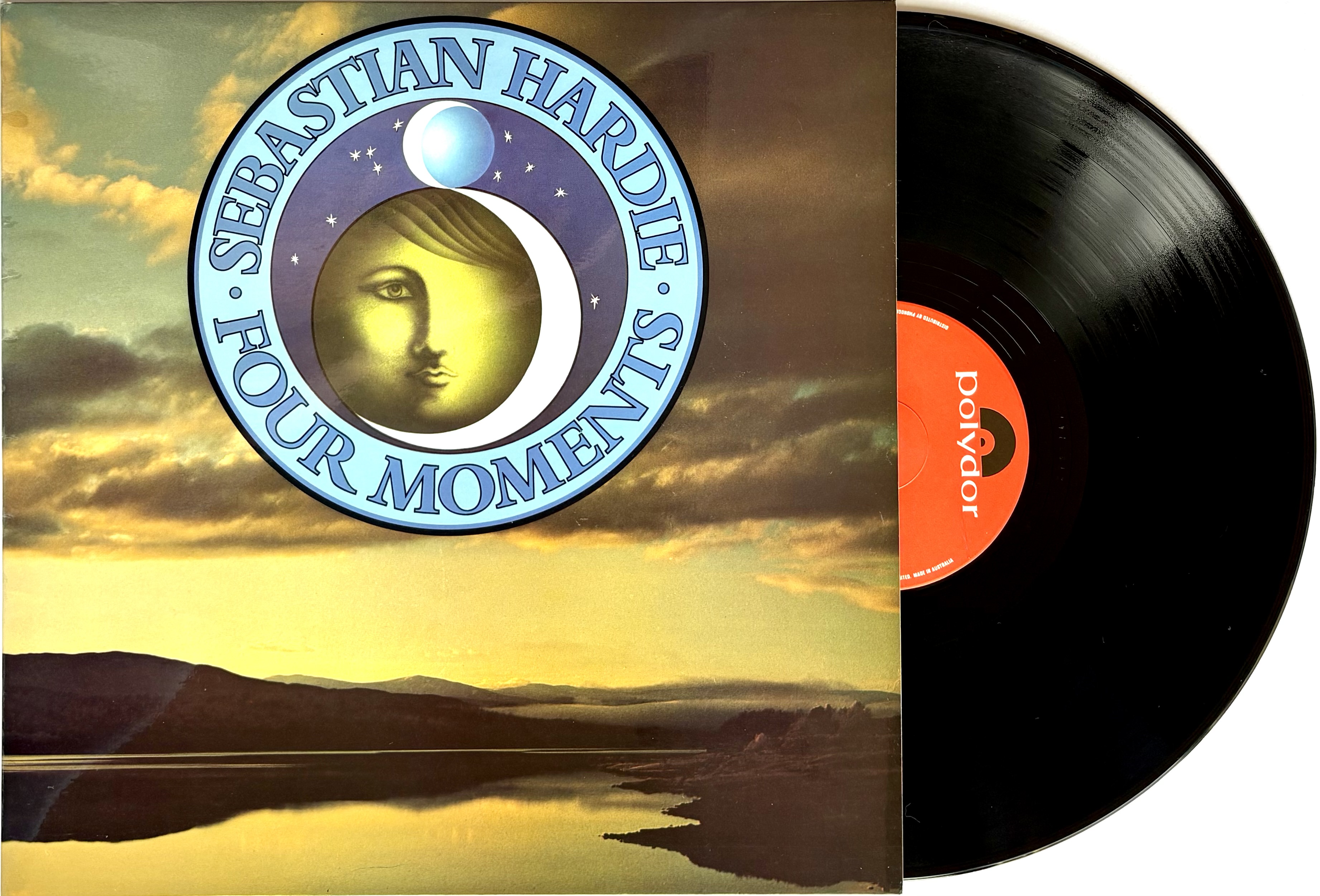
Without doubt Australia’s finest contribution to the progressive rock sub-genre of symphonic prog. Led by guitarist and composer Mario Millo, the band combined melodic sophistication with lush, flowing arrangements influenced by the Moody Blues and Camel. The four-part title suite unfolds with sweeping guitar themes, soaring Mellotron passages, and elegant shifts in mood and tempo, while “Rosanna” and “Openings” highlight Millo’s lyrical touch and the group’s tight ensemble playing. Beautifully produced and emotionally resonant, Four Moments balances technical precision with romantic grandeur. It remains a landmark in Australian rock history—a local album that matches its European inspirations.
*
#22
HATFIELD AND THE NORTH — THE ROTTERS’ CLUB
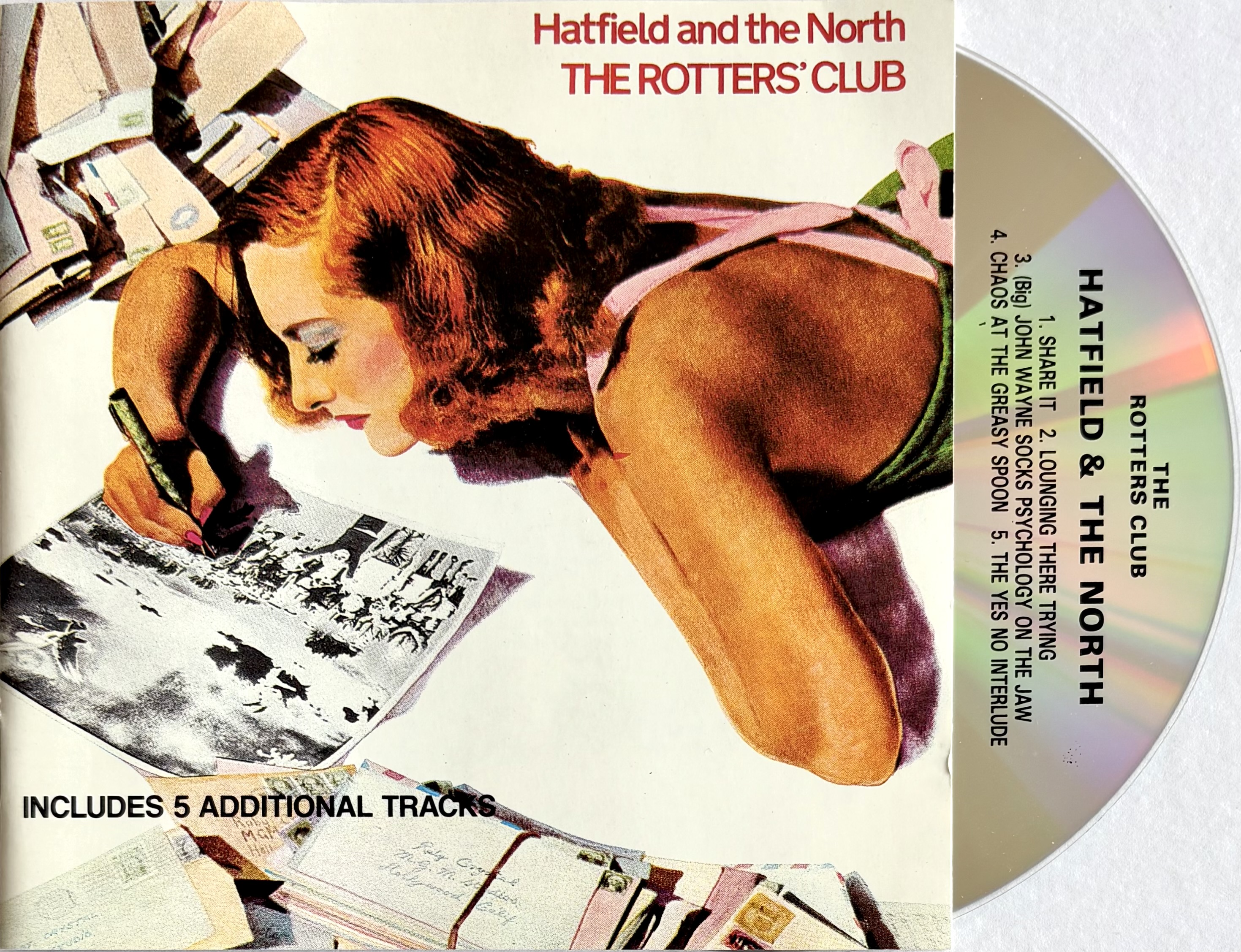
Built around the interplay of Phil Miller’s fluid guitar, Dave Stewart’s keyboards and Richard Sinclair’s warm vocals and bass, Rotter’s Club balances intricate jazz-rock instrumentals with whimsical English charm. This highpoint of the Canterbury scene reveals both compositional sophistication and humour, somehow managing to be both cerebral and inviting.
*
#21
FLEETWOOD MAC — FLEETWOOD MAC
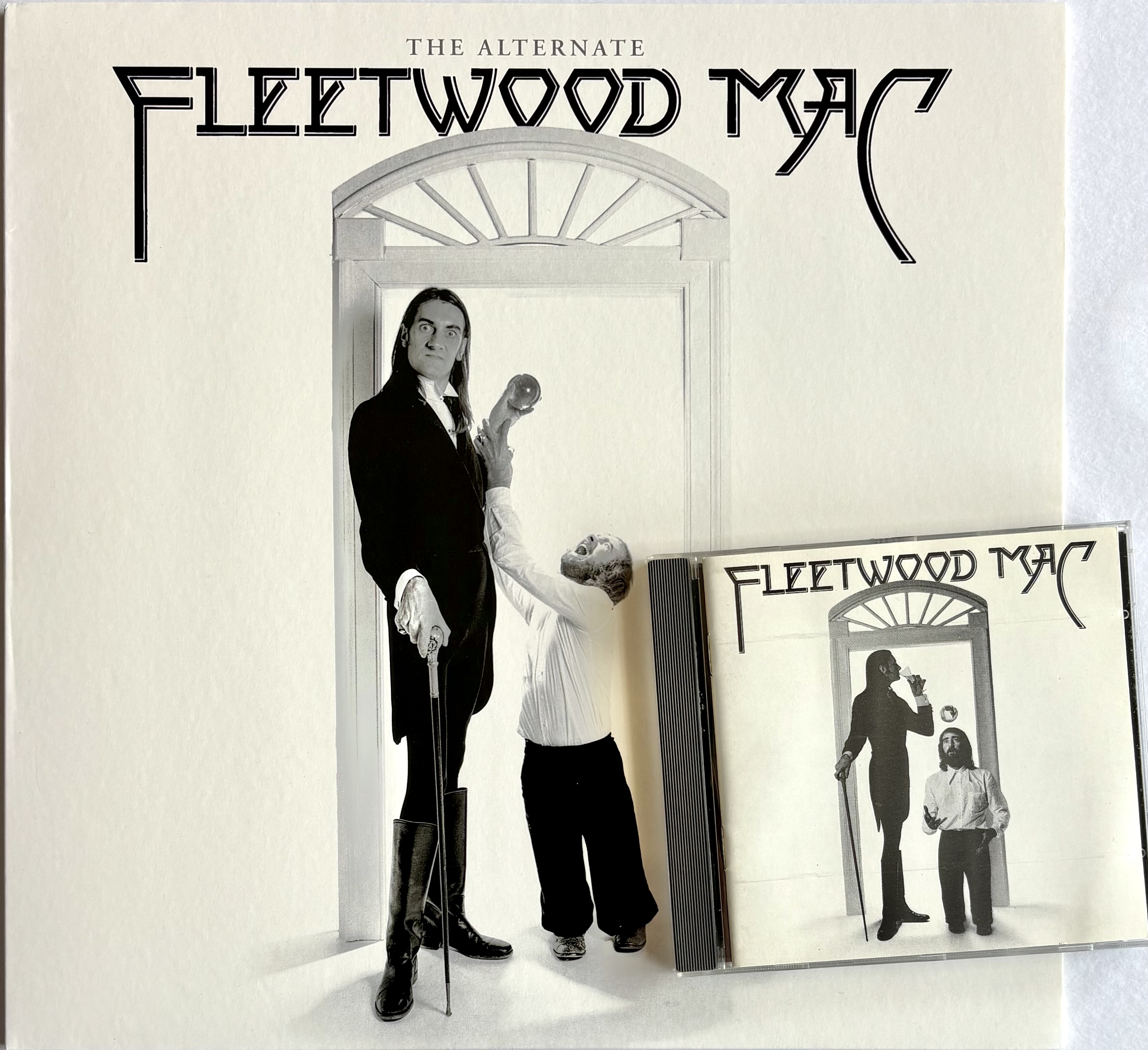
Fleetwood Mac’s 1975 self-titled album completed the transformation that began after Peter Green’s departure. The songs of Danny Kirwan and Bob Welch had already moved the group toward a more melodic, West Coast sound; with the arrival of Lindsey Buckingham and Stevie Nicks the evolution was complete. Their harmonies and songwriting chemistry reshaped the band’s identity, blending California pop warmth with lingering blues undertones. “Rhiannon,” “Say You Love Me,” and “Landslide” brought intimacy and polish, while Christine McVie’s love songs continued to be the beating heart of the band. Fleetwood Mac stands as both culmination and rebirth—a confident prelude to the triumph of Rumours.
*


 vinylconnection.com.au
Another interesting installment. I can really only comment on two of your picks in an informed manner, and I guess you probably already know which ones! 😀
Neil Young’s “Zuma” and the Fleetwood Mac album. Both are by longtime favorite artists. On “Zuma” I’m primarily drawn to the epic “Cortez the Killer,” while from the Mac album I dig “Rhiannon”, “Landslide” and “Say You Love Me” in particular.
LikeLiked by 2 people
Thanks for staying the distance (so far!) Christian. It certainly appears that many have found lack of recognition a challenge. That incredible variety is something I’ve commented on a few times this year. I’d only say that anything that makes the final list is worthy of investigation, if time allows!
LikeLiked by 1 person
Excellent selections
LikeLiked by 1 person
Thanks. Plenty of good music to choose from!
LikeLiked by 1 person
So fabulous, the depth and breadth of your POV from the era. It’s finally kind of hitting me now with this post. Took uh a while didn’t it.
LikeLiked by 1 person
LOL. Stand by for the jazz list, coming soon.
(The diversity of music was one of the challenges of this (and subsequent) years.)
LikeLiked by 1 person
I join Christian in knowing only Young and Fleetwood Mac. (Actually, I think Tangerine Dream have flitted across my radar before). Again, the diversity of your knowledge/collection astonishes…! Dare I say that I like Fleetwood Mac even more than Rumours? Is that heresy? Monday Morning, Warm Ways, Landslide…all fabulous. Landslide is especially lovely. And it resonates: “Yes, I’m getting older too…”
LikeLiked by 1 person
No heresy, I agree. There is something fresh and refreshed about that Mac new line-up.
I think perhaps I hadn’t anticipated how unfamiliar most of this group be to many. Ah well, perhaps some might investigate those that look interesting. Thanks for visiting anyway, JDB, to what may be the final 70s ‘Countdown.’
LikeLiked by 1 person
Another fine mix you’ve gotten us into. American pop, Canterbury prog, kraut, Aussie…the Fleetwood Mac and Neil Young, of course, are familiar to all, but sooo nice to see Jade Warrior, Curved Air, Fripp/Eno, and “Rotters Club” among other intelligent prog delights. (And once again, you’ve pushed me into research: this time, Sebastian Hardie.) Keep on offering a mic to these left-of-center musical wonders!
LikeLiked by 1 person
Thanks Pete. In this most eclectic of years (or at least, selections!) there are probably still a few more twists and turns, even in the final twenty entires!
LikeLiked by 1 person
A few out of the trick bag that CB ws tricked by. I will delve into some new music for me here but in the meantime I’m going to steal the scarf idea from Manuel. CB will be stylin.
LikeLiked by 1 person
Goes well with that lovely crocheted jacket, right?
LikeLiked by 1 person
Plus shorts and a pair of Wellies.
LikeLiked by 1 person
Surprisingly obscure to me this week- only heard half of them. You’re making Jade Warrior sound interesting though.
LikeLiked by 1 person
Good! 😊
LikeLike
You might enjoy this Haiku about old vinyl:-
LikeLiked by 2 people
A northern-hemi seasonal spin. Thanks DD!
LikeLiked by 1 person
I lived in a small nicely-converted horse stable behind the house on Point Dume above Zuma Beach on Birdview in Malibu where Neil Young recorded some of “Zuma”. There was a recording studio where another band was living there called Summer Wind. Across the street was Goldie Hawn’s house, next door to me was Max Gail (Wojo -Barney Miller), and across from him on Bluewater was Bob Dylan’s compound. This was in the early’80s. Trippy times.
LikeLiked by 1 person
It’s cool to hear that some of these words are places. As much as I thought about it (which wasn’t much) I kinda assumed Neil’s album title was some kind of reference to zooming, eg: one who zooms. Could be also true, I guess.
LikeLike
[…] #21 — #30 […]
LikeLike